Table of contents ▸
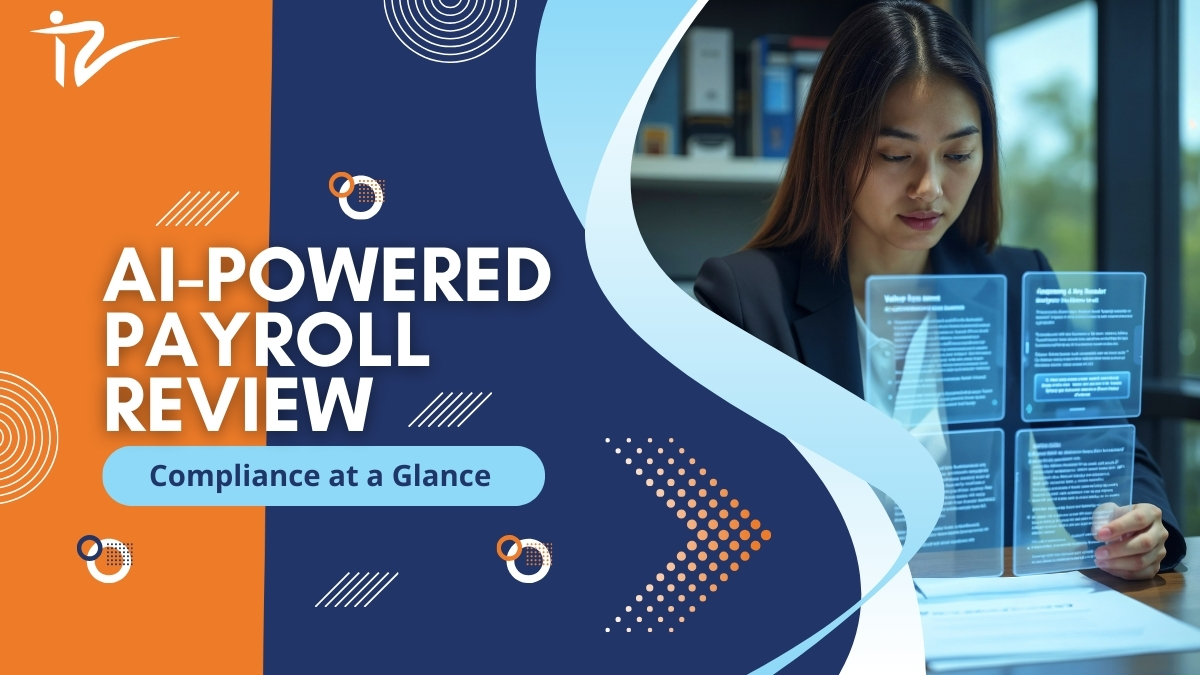
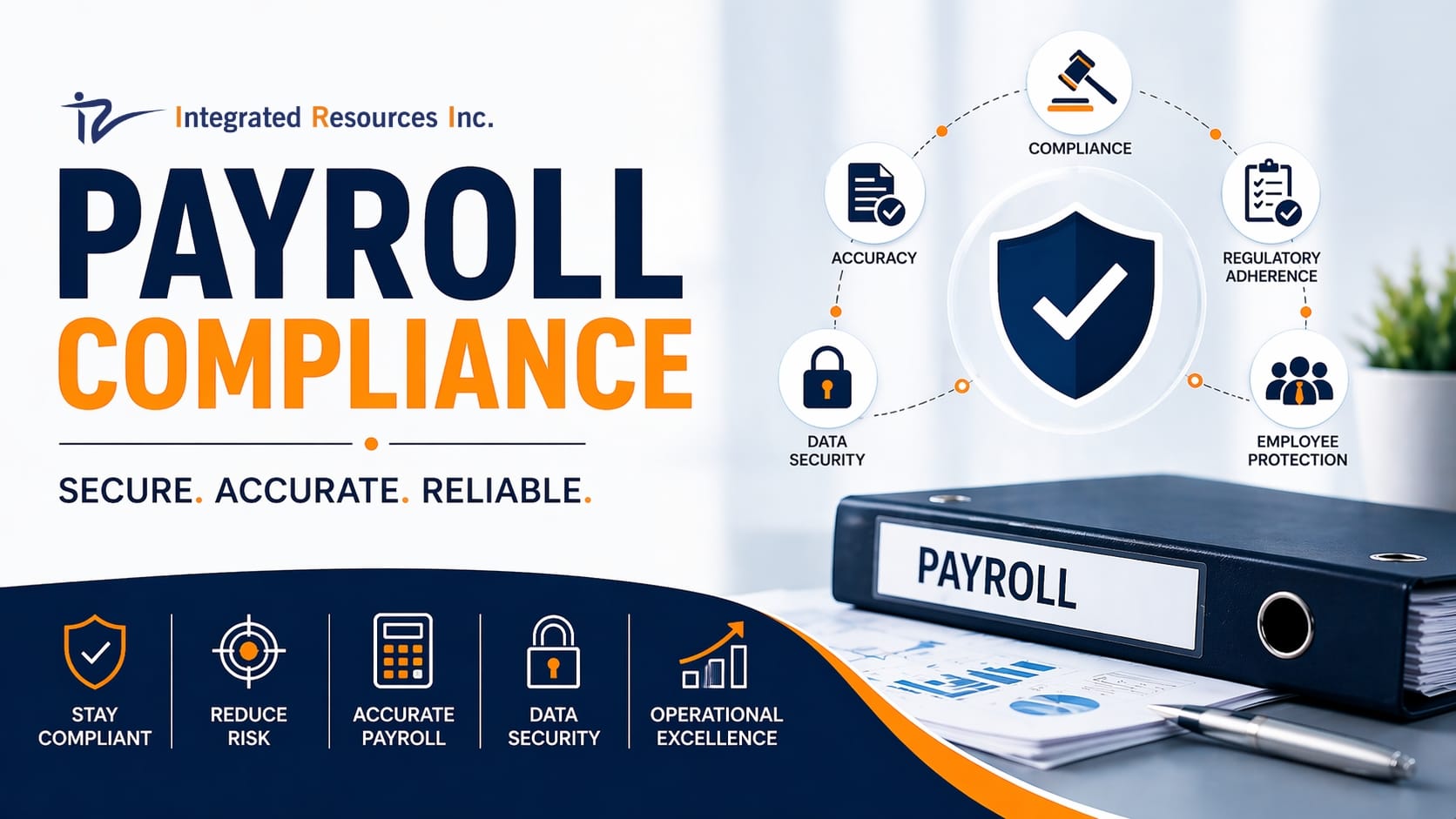
Payroll compliance has become one of the most critical HR-related administrative activities that organizations are managing today. With constant evolution in labour laws and wage regulations, companies risk huge fines, employee disputes, and loss of reputation in case they do not effectively manage compliance. HR outsourcing statistics declare that at least one HR function is outsourced by 57% of the companies, and payroll is outsourced in nearly 70% of such contracts. This indicates how paramount compliance management has become and why many more companies are looking for specialized help.
As we enter 2025, Paychex discusses how overtime rule changes, real-time data, AI, compliance automation, and earned wage access are changing payroll processes. The challenge for the employer is not only to process payroll, but to legally do so. This blog will discuss payroll compliance challenges, how companies manage compliance with changing regulations, and how outsourcing payroll ensures you have experts handling Payroll compliance processes for quick, smooth, and uninterrupted operations.
The Growing Complexity of Wage & Hour Rules
Wage laws are broad and wide and vary by industry, by state, and by country. Employers need to ensure that their employees are being paid correctly and fairly as per wage and hour laws, which include minimum wages, overtime, working hours, rest breaks, and record-keeping requirements. To make things more difficult, these laws change constantly, requiring employers to keep up with them.
Overtime regulations are a case in point. Among the most important changes recently was that the Department of Labor in the U.S. has made the salary level for overtime eligibility much higher. According to Paychex, the next few years are expected to bring even more changes as there are ongoing efforts at the regulatory level to ensure fair compensation for workers. Failure to keep up with these changes can cause claims of underpayment, penalties, or lawsuits.
Employers are also advised to keep an eye on industry-specific legislation. For example, healthcare, retail, and manufacturing sectors have their additional wage requirements, while completely new compliance issues crop up with gig and remote workforces. Without a solid system capable of keeping track of such changes, the companies might well find themselves in violation of the law.
To make matters worse, many smaller and mid-sized businesses do not possess a fully-fledged legal or compliance team. They largely depend on HR managers, who are already busy with recruitment, onboarding, training, and employee engagement. This is where compliance gaps start to show up, and this is where outsourcing Payroll compliance becomes a practical safety net.
Why Payroll Outsourcing Is the Safer Route
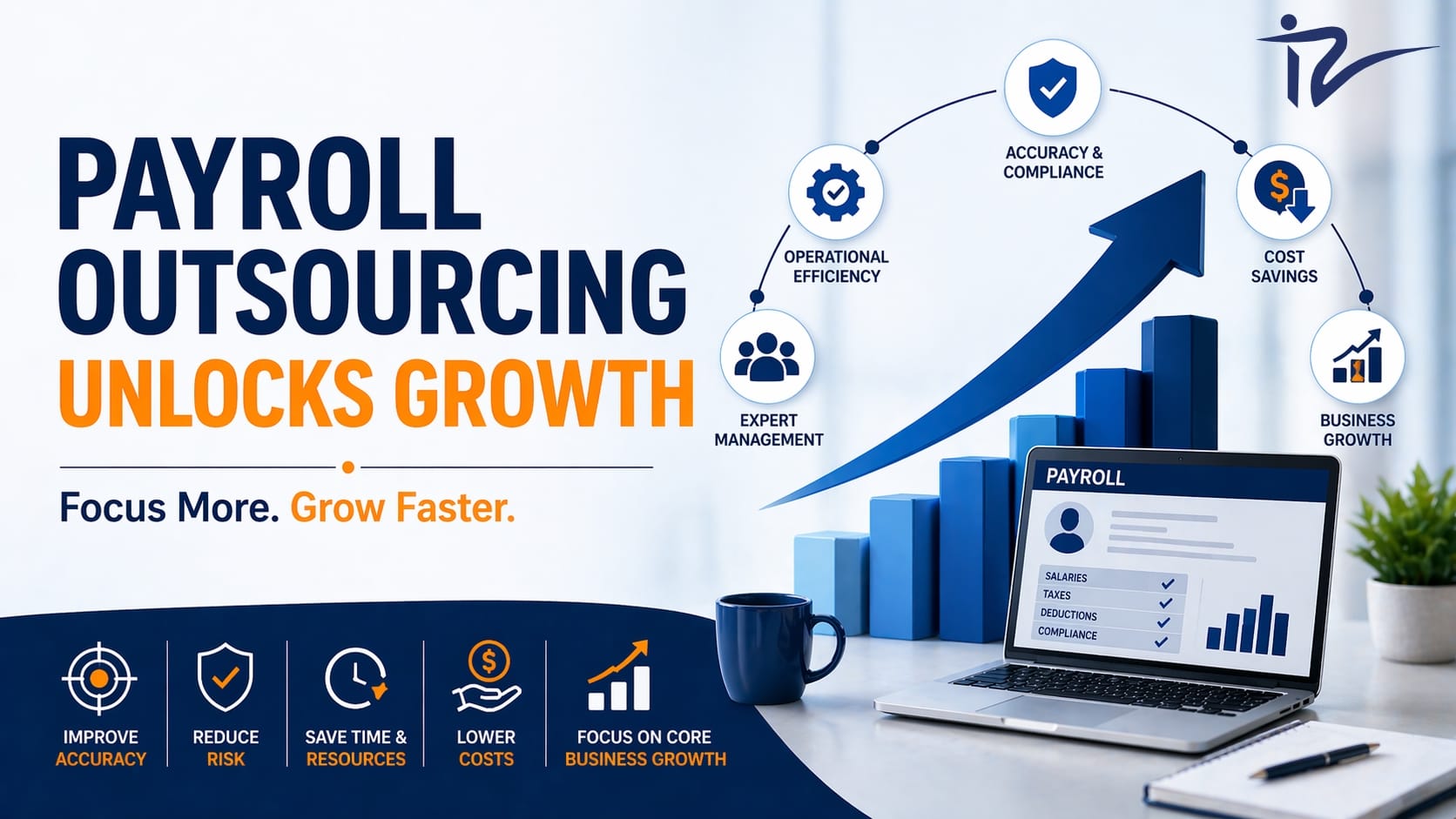
Where an HR department does its own payroll, the implications of payroll compliance can quickly swamp its capacity, particularly as the business grows. This is where payroll outsourcing comes into the picture. If companies tie up with an outsourcing provider with whom they are confident, they gain access to specialized professionals who can keep up in shifting legal environments and ensure every payroll cycle is legally compliant.
Key advantages of outsourcing include:
Guaranteed Accuracy
Payment delays cause bad morale among workers and may result in penalties for the employers. Outsourcing agencies employ advanced technologies and various cross-checking techniques in calculation, leaving no room for any error.
Compliance Monitoring
Providers remain updated with any new changes from federal, state, or even local levels. With their know-how, businesses can take the easy road rather than be mired in deciphering complex wage laws.
Access to Technology
These new outsourcing practices provide technological platforms based on AI, real-time data analytics to see opportunities for costs, compliance gaps, and how to plan for the workforce.
Cost and Time Saving
They release internal resources from mundane payroll activities so that the HR team can focus on strategic activities such as engaging employees and working on retention.
The aspect of scalability, in the sense of adaptability, is presented by the outsourcing providers. Are you a startup looking to hire your very first employees? Or are you a large multinational corporation with hundreds of employees in various regions? Well, outsourcing considers all these factors. Payroll compliance outsourcing mitigates risk while creating a dependable system that gives both the organisation and the employees a feeling of safety.
How Outsourcing Ensures Compliance with Regulatory Changes
Outsourcing, through providers such as IRI, ensures that the employer shall never miss any compliance deadline-and here is how:
Proactive Monitoring of Compliance
The experts keep an eye on proposed legislation and further reforms, e.g., new thresholds for overtime, so that businesses get time to prepare.
Automated Adjustments to Compliance Measures
Changes under outsourcing systems get injected directly into Payroll compliance computation so that employees would get correctly paid under new wage regulations with no manual errors.
Audit-Ready Reporting
Accounts will be available: Detailed reports will shed light on how to conduct and invoice based on laws, and audits will be breezy and efficient.
Tailored Solutions
The providers fine-tune processes to suit organisation sizes, sectors, and geographical locations to ensure that the wage regulations relevant to them are adhered to.
For example, if new requirements on sick leaves are enforced by a state, the outsourcing company immediately reconfigures payroll settings to address the new laws. This reduces the risk of non-compliance and assures that the employees get what they are entitled to under the law.
The Future of Payroll Compliance
Looking forward, payroll compliance will evolve with advancements in technology and changes in the nature of work. Paychex’s 2025 trend report shared salient developments to gear up businesses with:
AI-Driven Compliance
Artificial intelligence will form the nucleus of compliance monitoring, alerting to risks, and auto-updating systems, thus limiting the number of manual interventions and mitigating human error.
Real-Time Data
More frequent reliance on real-time payroll data will assist employers in immediately recognizing compliance breaches and rectifying them with greater speed.
Earned Wage Access
The rise of flexible pay methods will allow workers to electronically access earned wages before payday. While having new pay possibilities can be a major advantage, they also create new compliance risk hurdles and are more efficiently managed by your outsourcing provider.
Expansion of Global Operations
As companies move across borders, they will have to cope with multiple legal systems. Outsourcing firms with an international outlook are all set to ease the compliance burden in multiple jurisdictions.
Another consideration to bear in mind is employee trust. Employees these days are alert to their rights and demand total transparency regarding wage calculation. Companies engaging in compliance do not just avoid penalties but also build employee trust and retention – a key to long-term success.
Conclusion
It is, of course, quite an undertaking to keep up with wage regulations and regulatory changes. Of course, the risk of non-compliance, including such things as fines, lawsuits, and employee dissatisfaction, is just too big for an organisation to ignore. Many organisations, hence, have turned lately to payroll outsourcing service providers who will guarantee hassle-free Payroll compliance with 100 per cent accuracy and continuous monitoring of labour laws as they evolve.
At IRI, we know compliance and the importance of helping businesses adjust through the transition. Outsourcing payroll, with technology, best practice experience, and ongoing monitoring, allows businesses to limit their liability legally while doing what they do best – growing their business! Regulatory changes in place need clarity, security, and efficiency in any payroll matters, hence the reasons why it is outsourced, whether small in scale or managing a large workforce.
Stay abreast of the latest insights, industry views, and career enhancements by following our social media platforms in tandem with IRI.
Follow us on Social Media: LinkedIn | Facebook | Twitter | Instagram | YouTube