Payroll has always been a sticky bugbear to deal with. Whether it’s documenting employee hours, deductions, or tax laws that are constantly changing, payroll requires one to review the details with extreme caution. In a time when the world is trying to streamline processes, AI payroll is increasingly becoming a major disruptor. That is to say, the combination of automation, predictive analytics, and real-time data can help companies be more compliant than ever before, as well as more accurate.
Recent HR outsourcing trends have reported that over 57% of companies outsource at least one human resource function, and nearly 70% of contracts contain outsourced payroll. With that in mind, providers have begun leveraging AI payroll to provide smarter, faster, and legally compliant options for companies, as this trend appears to be growing even bigger in the near future.
In this blog, we’ll be going over how AI and automation are redesigning payroll in 2026 and discussing why compliance is more critical than ever and how organizations will profit from these newer systems.
The Evolution of AI Payroll
In the most recent decade, payroll evolved from a manual, paper-based process to a cloud-based platform and automated processes. The incorporation of artificial intelligence into payroll enhances productivity by applying machine learning, natural language processing, and predictive analytics to all aspects of payroll.
AI removes repetitive manual tasks and improves decision quality based on actionable data. Features like identifying errors, compliance warnings, and notifying health and finance departments so that errors can be avoided. This approach creates efficiencies and a satisfied workforce.
Automation Trends
Automation in payroll has been here for some time; with AI, it is made more advanced. AI-supported processing can go beyond wage calculations by:
- Verifying time and attendance information.
- Flag inconsistencies in wage structures.
- Automatically update wage changes when tax rules change.
- And integrate with other HR platforms for interim reports.
Payroll automation improves the quality of high-level decisions and prevents human errors and administrative burden, letting human resource professionals spend more time focused on strategic priority issues than on administrative processing and management.
Using AI to Improve Compliance

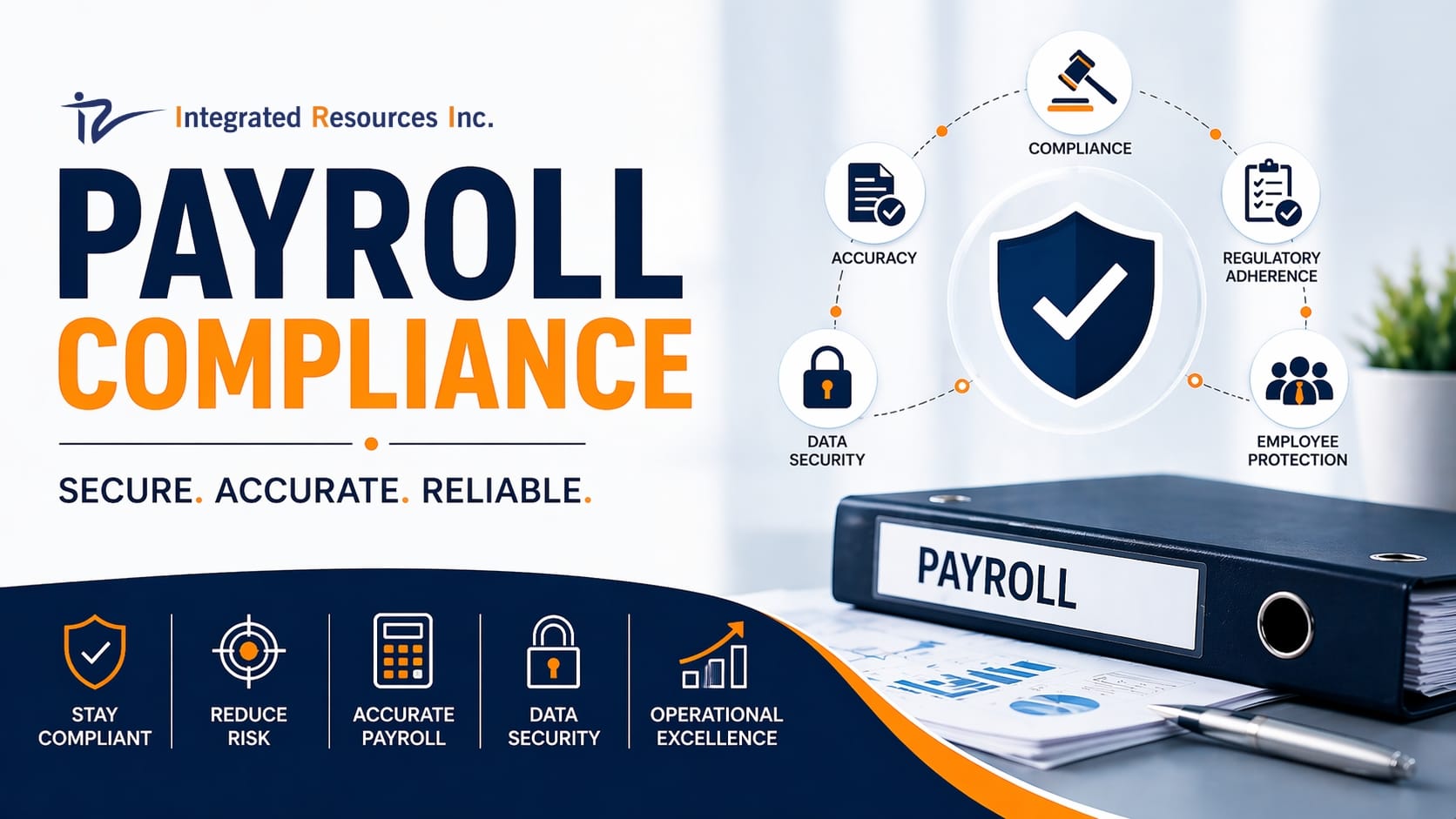
Compliance is a large concern in payroll management. Businesses can incur penalties, fines, and harm to their reputation (among other things) without compliance, especially when tax and social security rules and employment laws are constantly evolving. This is where AI payroll certainly is a gift.
AI-Driven Compliance Monitoring
AI can monitor and interpret constantly-changing regulatory frameworks, then convey and assimilate these changes into the payroll software. In other words, whenever any new law becomes operative, the AI tool instantaneously updates the rules, thereby enforcing correct payroll calculations. This cuts down on human errors and reinforces compliance across jurisdictions.
Error Detection and Reporting
Errors can cause an employee to find themselves in a compromising situation and sometimes even to initiate a lawsuit against the company. An AI using predictive analysis can detect any aberrations, such as duplicate entries, erroneous classifications, or miscalculated overtime. Such systems also send out automatic warnings to HR teams, allowing corrections to be made even before the payroll process has been finalized.
Global Compliance during Remote Working
Increasingly, hybrid and remote working models are being adopted by organizations, making payroll compliance quite complex across different geographies. AI payroll means applying multiple regulations for businesses by applying tax rules and benefit plans that are based on an employee’s location. AI tools enable these rules to exercise minimum compliance for employees across the world and issue pay correctly side by side.
The Future of Payroll in 2026
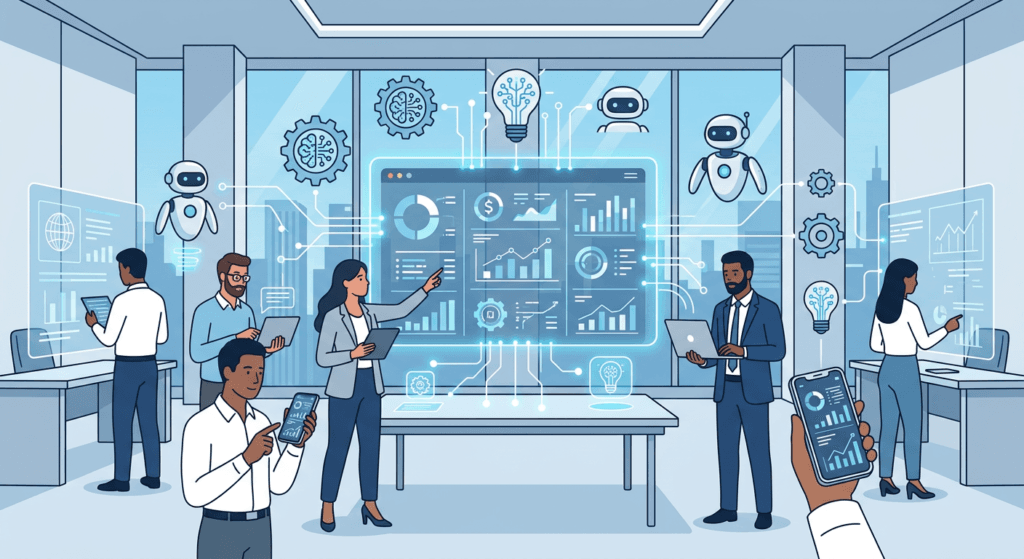
The Paychex 2026 trends report concentrates on the topics of real-time data, compliance, and earned wage access. These findings align perfectly with how businesses are adopting AI for payroll to meet employee expectations and legal compliance with guarantees.
Real-Time Data Visibility
Employees in today’s world work under the assumption that their pay is visible. Payroll systems driven by AI offer real-time access to wage data, benefits, and deductions via a self-service portal. This improves trust and engagement among the staff, which in effect reduces administrative duties for HR.
Access to Earned Wages
By far, the most revolutionary feature conjoined with AI payroll is earned wage access (EWA). The system lets employees take home a portion of what is earned before payday. With AI holding cash flows and compliance, businesses can therefore grant financial flexibility without interfering with their payroll cycles.
Integration with HR and Finance
In the larger system, AI works within the system rather than being separate from it. An AI-powered payroll system can communicate with HR, accounting, and performance management platforms. Hence, reporting, workforce planning, and budget forecasting can be accurate.
The Role of Predictive Analytics
Predictive analytics would be set to have a larger placement in payroll beyond 2026. By leveraging historic payment data and worker trends, AI systems can capture payment predictions, overtime costs, and extrapolate the risk of compliance costs. In attaining this data, organizations can predict and avoid unwanted surprises, financially, with their decisions.
Significance of AI-Powered Payroll in Business
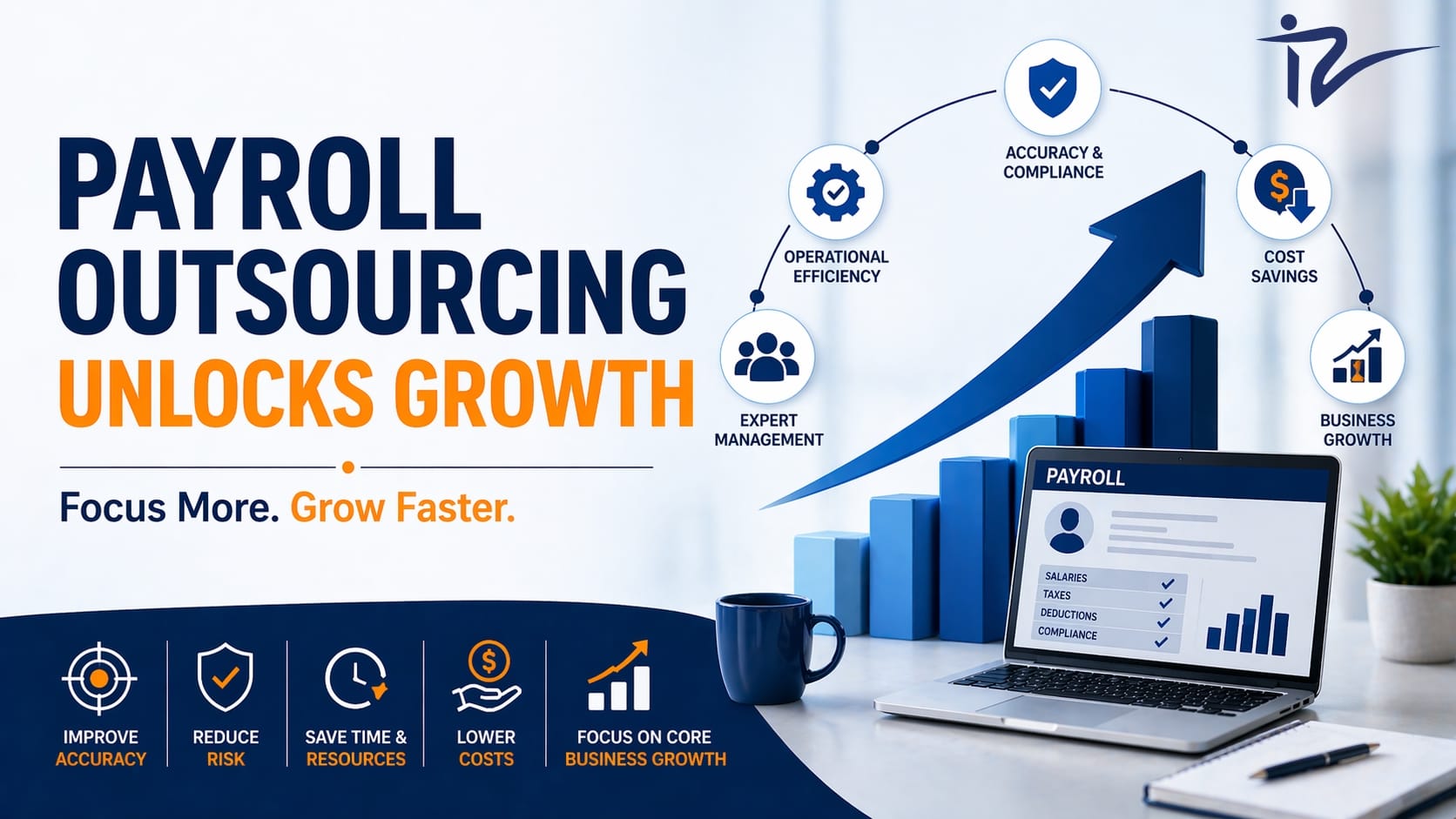
An implementation of AI in payroll stuff falls above the trend but is a connecting element for staying competitive with business endeavors. Its advantages speak for themselves:
- Fewer Errors: Common errors in payroll are eliminated, and the service ensures employee remuneration.
- Compliance: If the process is automated, the dates of compliance with any amendments and new rules also become automatic, so the risk of non-compliance and penalties reduces substantially.
- Efficiency: Reduction of time-sapping tasks allows more focus on strategic thinking.
- Employee Engagement: Transparency and easy access to earned wages increase company trust and employee retention.
- Scalability: AI systems grow with the business, making them workable for SMEs and large industries.
It goes without saying, there is also data security; an employee payroll will contain sensitive information about employees, and therefore, AI-driven systems offer advanced encryption and monitoring for protecting that information. Should these systems detect suspicious activities or access attempts, they will safeguard the proper conduct of payroll operations.
Further, the AI-based payroll systems enable global entities to handle multiple currencies, languages, and compliance requirements from one system, thereby lowering overhead costs and providing consistency across country borders. Hence, companies currently looking at payroll outsourcing will be wise to choose a company that employs AI so that their payroll is handled by a mix of people with deep knowledge, scalability, and forward-thinking technology
Conclusion
As we head further into 2026, AI payroll will undergo growing changes. From allowing more precise processing through automation and making sure regulations are abided by with complexity, AI now turns payroll into a strategic asset rather than an operation in the back office. Companies adopting these technologies will save time and reduce errors while ensuring trust among employees and the organisation.
The future of payroll is adaptation and intelligence. AI-powered systems are changing the focus from paper to compliance, and to actionable insights so that businesses can turn from processes to more value to the user. The message for leaders is thus: embrace AI today if you want to overcome the workforce challenges that will be upon you tomorrow.
Payroll will always be about numbers, but with AI, it is also about intelligence, foresight, and compliance. In a nutshell, if a company is interested in running smooth operations, keeping its data private, and looking toward the future, AI-powered payroll is its best bet.
Follow us on our social media pages for more job listings, workplace news, and expert insights into HR outsourcing.
Follow us on Social Media: LinkedIn | Facebook | Twitter | Instagram | YouTube