This recruitment landscape itself is undergoing a phenomenal change. While organizations are faced with the dilemma of identifying the necessary talent and adapting themselves to rapidly evolving work environments in return, AI recruitment, automation, and RPO innovation have been evolving as crucial elements for success. In fact, this phase will now see technology take center stage in Recruitment Process Outsourcing, which has already tasted the juices of dynamic teams and realized the maximum quality of hire.
According to industry reports, the global revenue will increase from 7.0 billion USD in 2024 to 8.18 billion USD in 2025, growing at a CAGR of 16.9%. This rise is not so much because more organizations are outsourcing, but is closely associated with the rise in AI-based recruitment, automation, and remote-work solutions that are helping organizations to think differently in building their hiring strategies.
This blog addresses the ways in which technology-driven systems are redefining RPO and why it is strategic, now, for organizations to embrace RPO innovation to secure tomorrow’s workforce.
The Evolution of RPO in the Digital Age
Traditionally, RPO was all about working with smart, scalable hiring strategies that suited client requirements. In its earlier phase, recruitment outsourcing concentrated only on saving costs and making processes more efficient by design. With the talent market becoming more competitive, emphasis has shifted to ensuring quality hire, candidate engagement, and a data-driven recruitment strategy.
In this way, the shift has been further accelerated by the digital era. Candidates sourcing, interviewing, recruitment marketing, engagement, screening, and onboarding-all processes an enhanced degree of accuracy and speed can be well carried out by RPO Innovation providers if AI recruitment tools and automation platforms are used correctly. This way, it ensures not only that businesses will have their vacancies closed faster but also that they will attract candidates whose aspirations are considerably aligned with organizational goals in the long term.
Some of the flagship features modern RPO models bring are:
- Data-driven acquisition: Using analytics to improve job postings and better predict candidate fit while minimizing turnover.
- AI-based candidate screening: Processing and shortlisting resumes based on skillsets, experiences, and cultural alignment.
- Virtual recruitment platforms: Remote-friendly tools for conducting and managing interviews and assessments globally.
RPO innovation is bringing new dynamics to recruitment by integrating technology with human expertise to provide a recruitment model that is scalable, cost-efficient, and adaptive to today’s ever-changing workforce.
How AI Recruitment and Automation Are Shaping the Future

Smarter Candidate Screening and Matching
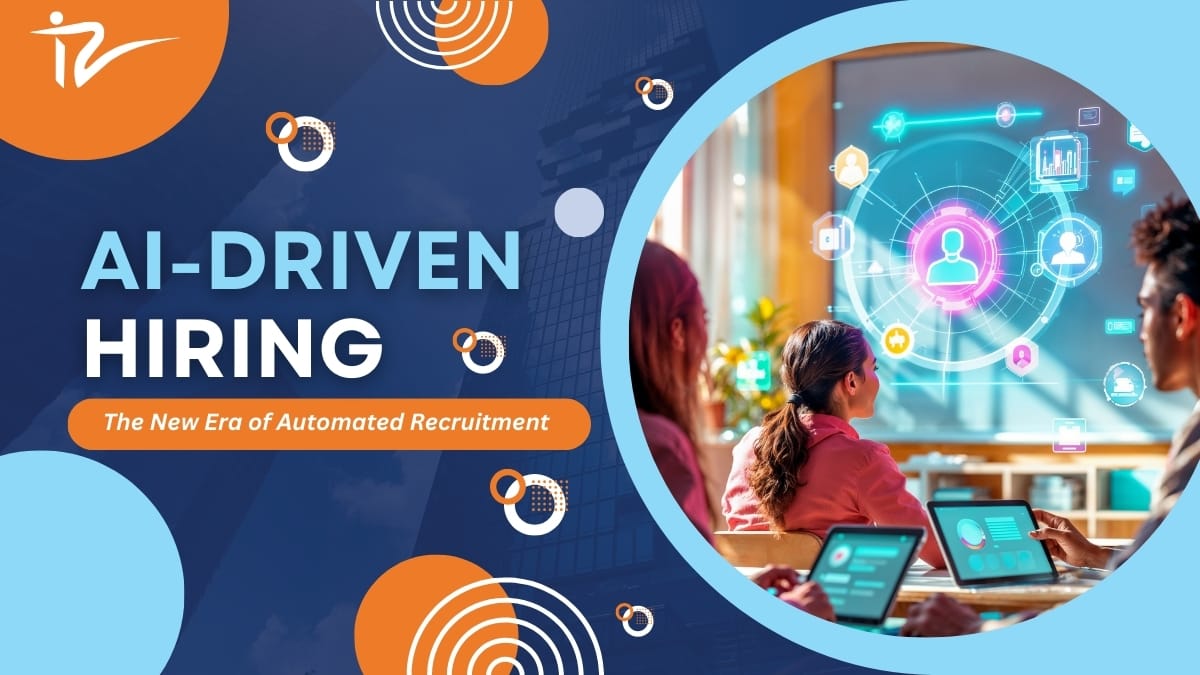
One of the great innovations brought about by AI recruitment is automated candidate screening. Machine learning algorithms can scan thousands of resumes within seconds and come up with the best matches according to candidate skills, experience, and perhaps cultural fit, if at all that can be considered. In the manual process, which is very slow and full of biases, AI brings objectivity and scalability.
Certainly, time-to-hire will be considerably reduced for organizations, and quality-of-hire will improve as well because candidates that best fit role requirements are fast-tracked. This also provides for recruiters to spend more time on meaningful interactions with candidates and thus better the entire candidate experience.
Virtual Recruitment Platforms
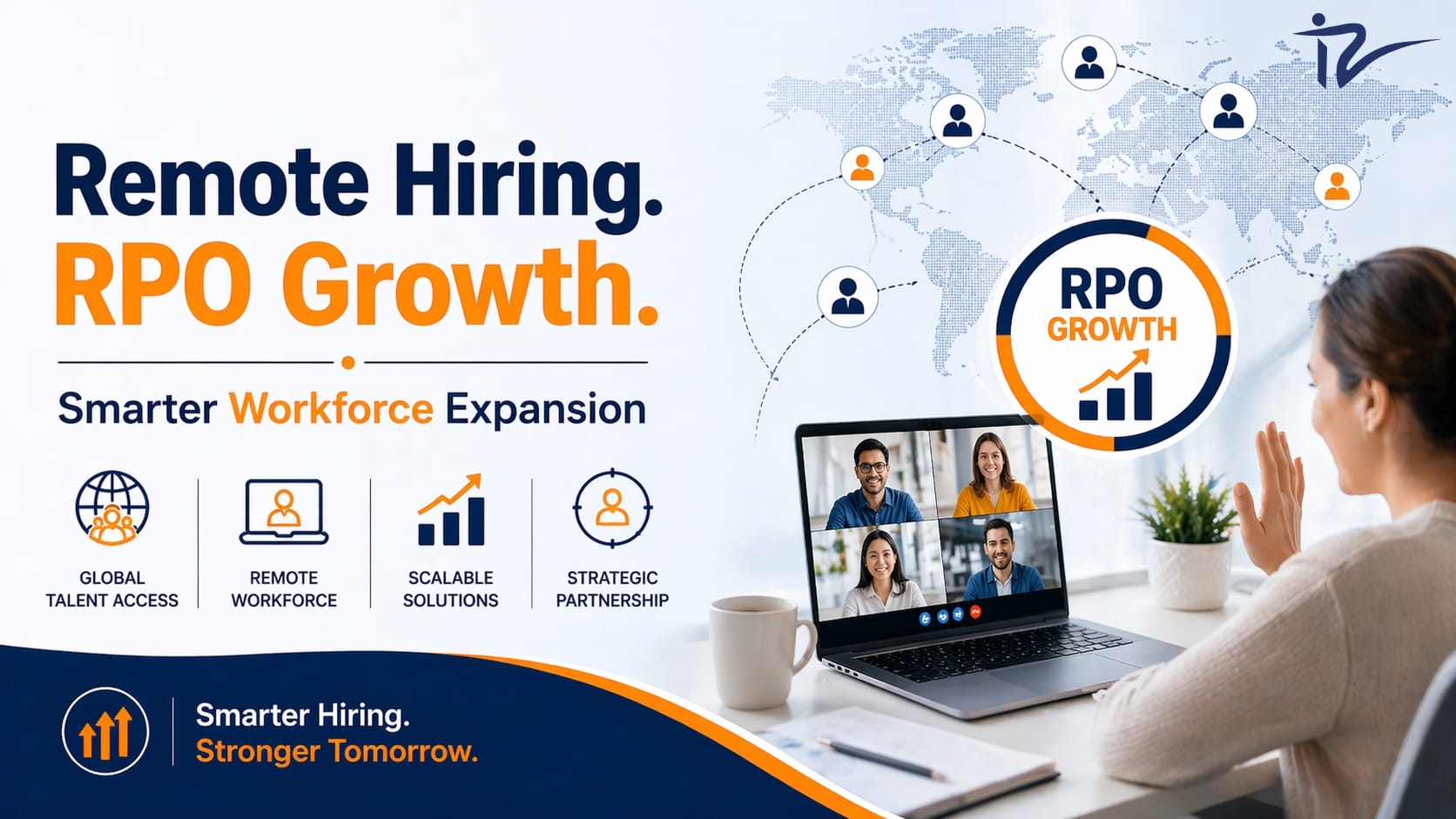
Remote work is here to stay, therefore making virtual recruitment tools a must. The modern RPO connects video interviewing tools with online assessments and collaborative dashboards that align recruiters, hiring managers, and candidates alike.
These platforms help organizations automate interview scheduling, reminders, and collecting feedback, thus removing administrative work and creating a seamless hiring experience. This unique offering in the RPO market enables global hiring as well as keeping organizations nimble in an ever-changing world.
Data-Driven Hiring
Data is at the very core of RPO innovation. Predictive analytics, building workforce trends, and tracking performance are increasingly informing decisions. Through AI-fueled insights, an organization can forecast talent scarcity, uncover arising needs for skill sets, and adjust recruitment spending.
For example, the data may show that sometimes job ads are placed better on certain platforms than others or that candidates sourced from employee referrals have a longer tenure. To maximize sustained success, AI hiring looks to incorporate these findings into the strategies used by organizations.
Automating Administrative Workflows
Recruitment entails processes that are highly administrative and redundant, such as sending follow-up emails, verifying documents, and managing compliance paperwork. Automating these processes will streamline them, thereby cutting down on error-proneness and saving time.
However, if the acceptance of an offer somehow takes time to occur, onboarding is deemed to officially commence once it is observed that the candidate has entered the workforce beyond any unreasonably imposed delay. Such forces help companies create their names in time, which is essential to holding on to great talent.
Personalization at Scale
Personalization of the recruitment process is an area where the human touch must really come in-even with so much automation. AI recruiting tools will tailor job recommendations, communication with candidates, and even insights into what motivates particular talent pools. This marriage between automation and personalization ensures that candidates appreciate their value-escalating engagement and acceptance rates.
Challenges and Ethical Considerations
With AI in automation and recruitment come great promises and opportunities; likewise, these technologies bring along many challenges. If organizations forget about bias in algorithms, data privacy concerns, and the potential over-reliance on technology may negatively influence the interview experience.
They can be addressed if RPO innovation providers strive to be transparent, constantly work toward improving their algorithms, and judge when to use human judgment versus machine intelligence. Going against conventional wisdom, technology can improve operations, but can never be successful in setting candidates on a path of trust.
The Future of RPO Innovation
In the future, recruitment and selection by AI and automation will go even deeper. As technology improves, it will be able to use predictive analytics to help companies hire not only for existing roles but also for roles that may be of value in the future, with optimized business needs. Augmented (AR) and virtual reality (VR) may soon become an avenue for immersive candidate assessments.
today will put themselves in a much better position to deal with workforce challenges tomorrow, from visible skill shortages to shifting employee expectations. With technology-driven workflow and data-driven acquisition, organizations are poised to develop strong, resilient, and high-performing teams.
Conclusion
The blended approaches of leveraging AI recruitment, automation, and RPO innovation have ceased to be a trend and have transformed into a necessity. Companies that have embraced these solutions don’t just reform their recruitment processes; rather, they make their businesses foolproof for the future. With the global RPO market witnessing rapid growth, never before has such a tremendous opportunity existed to revolutionize hiring strategies.
At IRI Online, acquisition being data-driven and an innovative RPO solution forge a pathway for the implementation of human talent alongside technology. This would enable the client to build dynamic teams aligned for both present and future objectives.
Talent acquisition is constantly changing – keep up to date by following our social media accounts for job postings, insights, and news about the future of work.
Follow us on Social Media: LinkedIn | Facebook | Twitter | Instagram | YouTube