
Table of contents ▸
Today, in the fast-moving world of business, more and more organizations appreciate the aim of keeping things dynamic. Those companies that invest in the adaptability of their teams to respond to market changes will ignite sparks of innovation and, therefore, generate better business outputs. Recruitment Process Outsourcing stands as one of the most potent tools for building an adaptable, high-performance team. By using RPO strategies or services, organizations can not only increase the quality of hires but also concentrate on retention to keep the teams stable and productive.
Understanding the Building of Dynamic Teams through RPO
Recruitment Process Outsourcing is a strategic approach in which a third party may govern all or some parts of an organization’s recruitment functions. RPO providers like IRI provide critical insights, data-driven information, and innovative tools. This way, an organization can get top talent efficiently without undue time spent administratively. Most importantly, RPO has to build dynamic teams that align with a company’s culture, goals, and eventual growth strategy, which in itself is more than filling roles.
A big advantage to using RPO is that retention is a key focus. Industry reports say RPO is projected to grow from US$7.0 billion in 2024 to US$8.18 billion in 2025, fueled by automation, AI, and trends in remote working. If RPO-facilitated companies utilize such tools to find candidates who are not just very technically competent but also culturally suitable, that will result in lower turnover and argue for better employee engagement. Using a data-driven approach in RPO, organizations will be able to spot retention risks on a proactive basis and tackle them even before those risks affect their team.
How RPO Strategies Improves Retention
Retention is a key metric that determines the success of an organization. High turnover rates net loss of productivity, increase recruitment costs, and dampen team spirit. RPO providers go a long way in enhancing retention by working through these:
- Strategic Workforce Planning: RPO Strategies Solutions drill down workforce data to spot skill gaps and forecast future hiring needs. This means just the right talent is hired at just the right time, resulting in employee dissatisfaction being reduced and low turnover.
- Tailored Recruitment Processes: Each organization is unique, and accordingly, RPO Strategies providers create a recruitment process that is tailor-made to fit the specific needs of a company. Give candidates who are more likely to stay long-term around make certain hiring decisions that clash with corporate culture and values.
- Candidate Experience: Candidates accept and stay in roles where they perceive a smooth and respectful hiring process. RPO focuses on engagement to create timely, transparent, and positive interactions.
- Continuous Monitoring and Feedback: The RPO Strategies Solutions will regularly monitor employee performance and engagement amongst managers and retention problems; working proactively will address the issues. It is through data analysis that at-risk employees are identified, in order to undertake interventions toward retention.
When these mechanisms are included, a company develops dynamic teams capable of consistent motivation, engagement, and productivity along the way.
Implementing RPO Strategies for Reduced Turnover
A continuance of employment problems exists in making good hires and providing an environment in which such hires may thrive; here is how RPO strategies may endeavor to enable organizations to accomplish this:
Making Recruitment Decisions based on Data Availability
With the increasing use of AI and analytical systems, the performance of an employee and retention can be accurately predicted by RPO strategies providers. These data-driven insights help organizations to put their energies on candidates who, despite having the requisite skills, may also show traits that go along with the long-term vision of the using company. Using these insights should allow organizations to avoid most mismatches that are typically a cause for an employee leaving.
Hiring Flexibility and Adaptability
The talent nowadays craves flexibility; hence, companies should have it linchpinned to retain it. RPO vendors provide scalable solutions that enable organizations to change their state of hiring in accordance with market demand, seasonal occurrences, or internal needs, permitting them to keep ambient teams without pressing their current staff or compromising on quality.
Employee Development and Growth
Retention is directly linked to opportunities for the growth of one’s career. Usually, RPOs combine talent development programs to help companies determine areas where their employees can be promoted internally and the training needed. Though commercialization comes to mind first, training championships and employee improvement should be seen with an emphasis on decentralizing organizational knowledge.
The feeling of having a distinct career path helps to retain employees, thereby reducing turnover and building a tight-knit team.
Leveraging the Trend of Work-from-Home Opportunities
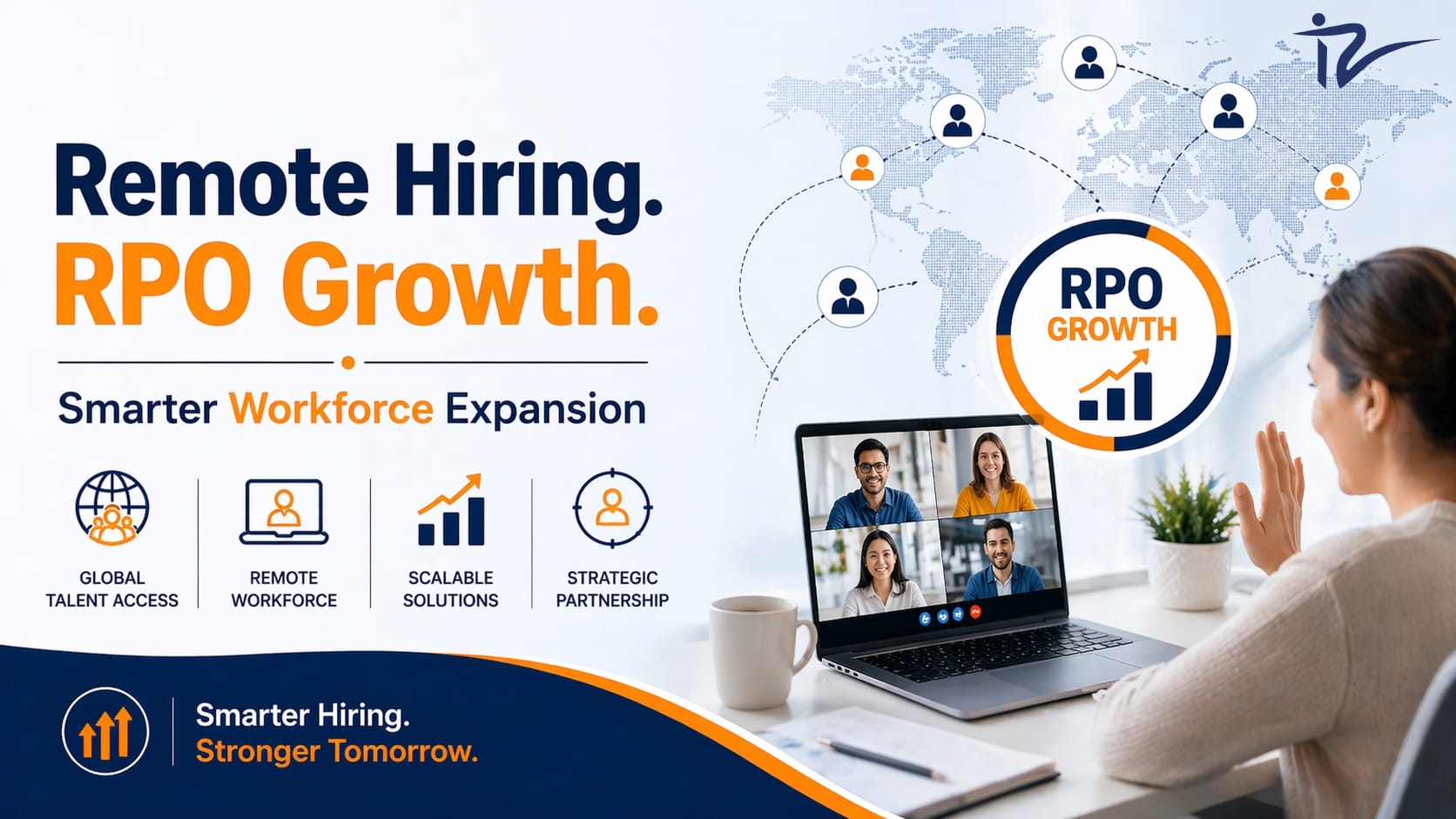
Ever since remote employment started gaining acceptance, extremely high employee expectations have emerged from the trend. RPOs employ mechanisms for recruitment that heed to remote working needs so that the candidates will be ready for hybrid or fully remote jobs. This offers another advantage of greater satisfaction and retention, especially where the competition is very high.
Focusing on Cultural Fit
Although skills and experience do count, culture fit usually trumps skills for retention. RPO strategies Solutions employ advanced assessment tools aiming to map candidates against the values of the companies of the customers, plus the candidate’s team dynamics and leadership styles. Hiring individuals who can relate to the organization’s culture will help promote collaborative engagement as well as the desire to commit to an extent.
Challenges and Solutions to Retaining Teams
Keeping teams enthusiastic is no easy feat in today’s environment of talent shortages, competitive environments, and changing expectations of employees. In this race, RPO providers assist organizations in traversing through:
- Talent Mapping and Market Intelligence: A deep understanding of the labor market and competitor practices enables companies to attract and retain the best talent proactively.
- Flexible Contract Models: These types of models can include flexible working arrangements, temp-to-perm roles, and flexible employment contracts that meet the needs of both the employee and the organization.
- Regular Engagement Surveys: Engaging surveys are a great way to monitor employee sentiment so that if there are any indications that disengagement or dissatisfaction is occurring, appropriate measures can be taken in good time to prevent individuals from leaving.
If an organization can address these issues holistically, it will be able to retain engaged teams whilst enjoying the benefits of a stable growth business.
Future of RPO in the Formation of Dynamic Teams
In the future, with AI, automation, and remote working having invaded the recruitment sphere, RPO strategies firms will have more demand. Companies enrolling in RPO help to enhance retention and foster greater quality of hire, thereby ultimately giving them a fighting chance to build truly dynamic teams that will adjust to rapid market changes. Moreover, RPOs continue to innovate in terms of implementing predictive analytics, grasping candidate experience, workforce planning, and much more to reduce turnover with long-term organizational value in view.
Conclusion
Thus, building dynamic teams lays the foundation of organizational success, and effective RPO strategies are key to this end. In focusing on retention, employing data-driven insight into recruitment, and learning to channel recruitment resources into different schemes, organizations work to retain top talent and lessen attrition. RPO strategies partnership that builds the workforce capabilities needed to achieve a business objective with the integration of what we identified as principles for the long-term growth and stability of an organization.
By way of RPO, companies can battle scarcity and nurture flexibility while building motivated teams that foster innovation and success. As skilled professionals continue to be in demand, and the dynamics of the workplace continue to change, RPO’s focus on retention will underpin an organization’s competitive advantage and flexibility.
Stay connected to our socials for an in-depth insight into this field, with current recruitment and workforce-pertinent trends.
Follow us on Social Media: LinkedIn | Facebook | Twitter | Instagram | YouTube